


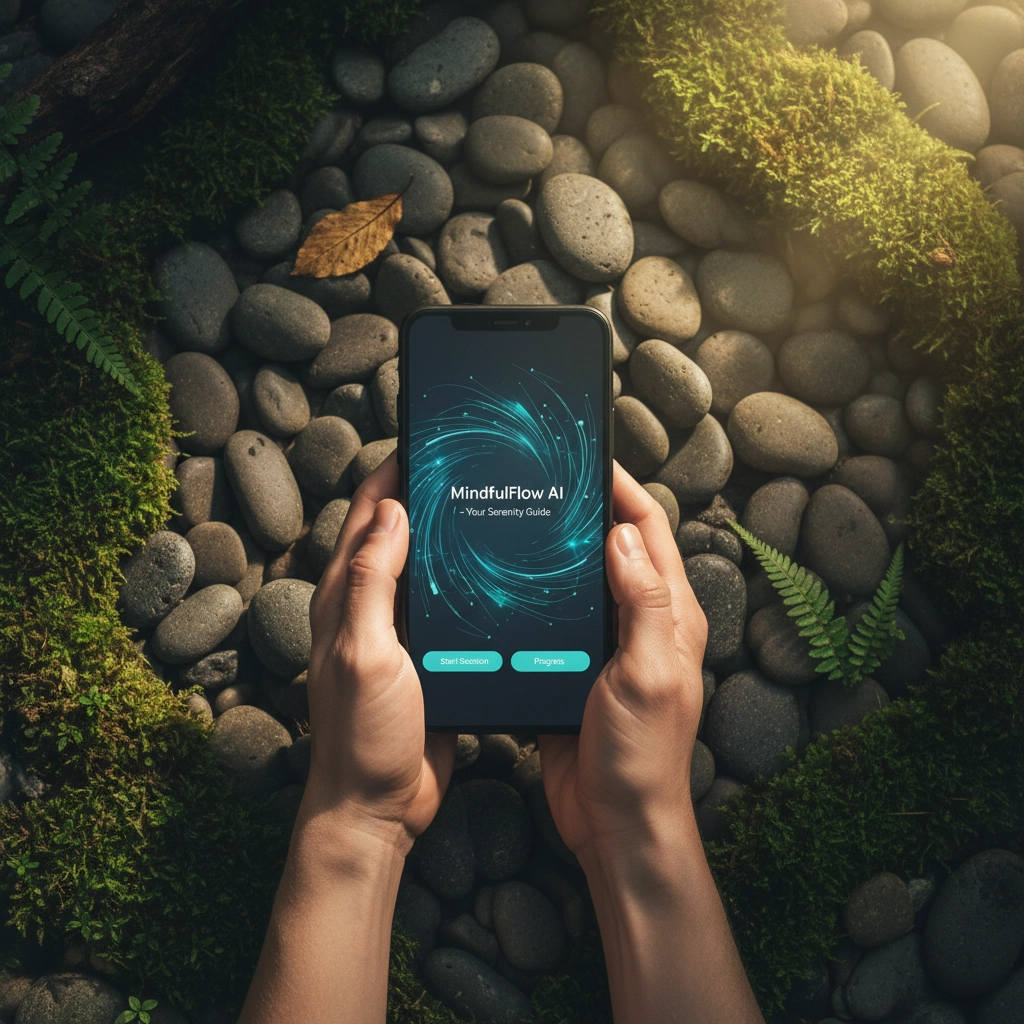
If you’ve been wondering whether those AI therapy apps popping up everywhere can really replace sitting across from a real therapist, you’re not alone. With mental health support becoming more accessible through technology, it’s natural to question what you might be gaining: or losing: when you choose digital over human connection.
The good news is that recent research gives us clearer answers about when AI chatbots can be genuinely helpful and when human therapists remain irreplaceable. Let’s explore what the science tells us so you can make the best choice for your mental health journey.
Understanding AI Therapy Chatbots: Promise and Reality
AI therapy chatbots have made remarkable strides in 2025, and the results from clinical trials might surprise you. In the first-ever rigorous study of a generative AI therapy chatbot called Therabot, 106 participants with depression and anxiety experienced significant improvements. Those with depression saw an average 51% reduction in symptoms, while people with generalized anxiety reported a 31% decrease in their anxiety levels.
These numbers are impressive: comparable to what you might expect from traditional cognitive therapy with trained professionals. The participants shifted from moderate symptoms to mild ones, which represents meaningful relief in their daily lives.

What AI chatbots do well:
- Available 24/7 when you’re struggling at 2 AM or during a weekend crisis
- Cost-effective support that doesn’t require insurance or high out-of-pocket expenses
- No scheduling hassles or waiting lists to navigate
- Consistent responses that don’t depend on a therapist having a good or bad day
- Immediate access during moments when you need coping strategies right now
But here’s where the picture becomes more complex, and why you should understand the limitations before making your decision.
The Critical Limitations You Need to Know
While those initial results sound promising, researchers discovered something important when they followed up with participants three months later. The positive effects from AI chatbot therapy significantly diminished over time. What seemed like meaningful progress in the short term didn’t hold up when people needed sustained support.
This finding reveals something crucial about how healing actually works. AI chatbots excel at providing techniques and immediate responses, but they struggle with the deeper, ongoing work that creates lasting change in your life.
Where AI falls short:
- Cannot read subtle emotional cues like your tone of voice, body language, or meaningful silences
- Limited effectiveness for moderate to severe mental health challenges
- Lacks genuine understanding of your unique life context and personal history
- Cannot adapt to complex, nuanced situations that require human judgment
- No real relationship building that sustains you through difficult periods
Why Human Connection Remains Irreplaceable
When you work with a human therapist, something happens that goes beyond techniques or coping strategies. Researchers call it “therapeutic alliance”: the trust, collaboration, and genuine connection between you and your therapist that becomes a healing force in itself.
Think about the last time someone truly understood you during a difficult moment. They didn’t just offer solutions; they saw you, heard you, and believed in your capacity to heal. That experience of being genuinely witnessed and supported creates the psychological safety where real transformation becomes possible.
What human therapists uniquely provide:
- Emotional attunement that recognizes what you’re not saying out loud
- Adaptive wisdom that adjusts their approach based on your specific needs
- Genuine empathy that comes from shared human experience
- Long-term relationship that evolves as you grow and change
- Complex problem-solving for the messy, complicated realities of life
- Ethical discernment when situations require nuanced moral judgment
Your human therapist notices when you seem more withdrawn than usual, picks up on the hesitation in your voice when discussing certain topics, and remembers the context from your previous sessions that helps them understand your current struggles.
Making the Right Choice for Your Situation
Understanding when each approach works best can help you make an informed decision about your mental health support. The key is matching the tool to your specific needs and circumstances.

Consider AI chatbots when you:
- Experience mild to moderate anxiety or depression symptoms
- Need immediate support while waiting for a therapist appointment
- Want to practice coping strategies between therapy sessions
- Have limited financial resources for traditional therapy
- Feel more comfortable starting your mental health journey with less pressure
- Need support outside traditional business hours
Choose human therapy when you:
- Face moderate to severe mental health challenges
- Have experienced trauma that requires specialized care
- Need help with complex relationship or family issues
- Want lasting changes rather than short-term symptom relief
- Feel stuck despite trying various self-help approaches
- Require support for conditions like bipolar disorder, eating disorders, or addiction
The Power of Integration: A Balanced Approach
Rather than viewing this as an either-or decision, many people find the most success by combining both approaches strategically. AI chatbots can serve as valuable supplements to human therapy, providing immediate support between sessions and helping you practice skills your therapist teaches you.
For example, you might work with a human therapist weekly or bi-weekly for deeper processing and relationship building, while using an AI chatbot for daily mood tracking, immediate anxiety management, or practicing mindfulness exercises.
This hybrid approach offers:
- Continuous support when your therapist isn’t available
- Cost-effective skill practice and reinforcement
- Immediate crisis intervention capabilities
- Data tracking that helps your human therapist understand your patterns
- Lower-pressure practice space for trying new techniques
Moving Forward with Confidence
The research makes one thing clear: while AI has valuable applications in mental health support, healing ultimately happens in relationship. The warmth, understanding, and shared meaning that human therapists provide create the foundation for lasting change.
If you’re considering your options, start by honestly assessing your needs. Are you looking for immediate symptom relief and basic coping strategies? An AI chatbot might be a great starting point. Do you need deeper healing, complex problem-solving, or support for serious mental health challenges? A human therapist remains your best choice.
Remember that seeking help: in any form: is a courageous step toward better mental health. Whether you choose AI support, human therapy, or a combination of both, you’re taking action toward healing and growth.
The future of mental health support isn’t about replacing human connection with technology; it’s about using technology to make human connection more accessible and effective. By understanding the strengths and limitations of each approach, you can create a support system that truly serves your journey toward emotional wellbeing.
Your mental health matters, and you deserve support that meets your unique needs. Take time to consider your options, and don’t hesitate to reach out for the help that feels right for you.