


In our fast-paced digital world, it’s tempting to seek quick fixes for everything: including our mental health. You’ve probably seen the ads: “Talk to an AI therapist anytime, anywhere!” or “Get instant mental health support with our chatbot.” While these tools promise convenience and immediate relief, the question remains: can artificial intelligence truly provide the healing and growth your mind deserves?
The answer might surprise you. While AI therapy tools have their place, recent research reveals why human connection remains irreplaceable when it comes to genuine mental health care.
The Current Landscape: What AI Therapy Can and Can’t Do
Let’s start with what’s working. AI-based mental health tools have shown some promising results in specific areas. Studies indicate these digital interventions can help reduce symptoms of depression and psychological distress, particularly when using advanced generative AI technology and mobile platforms. For elderly adults and certain clinical populations, these tools have demonstrated measurable benefits.
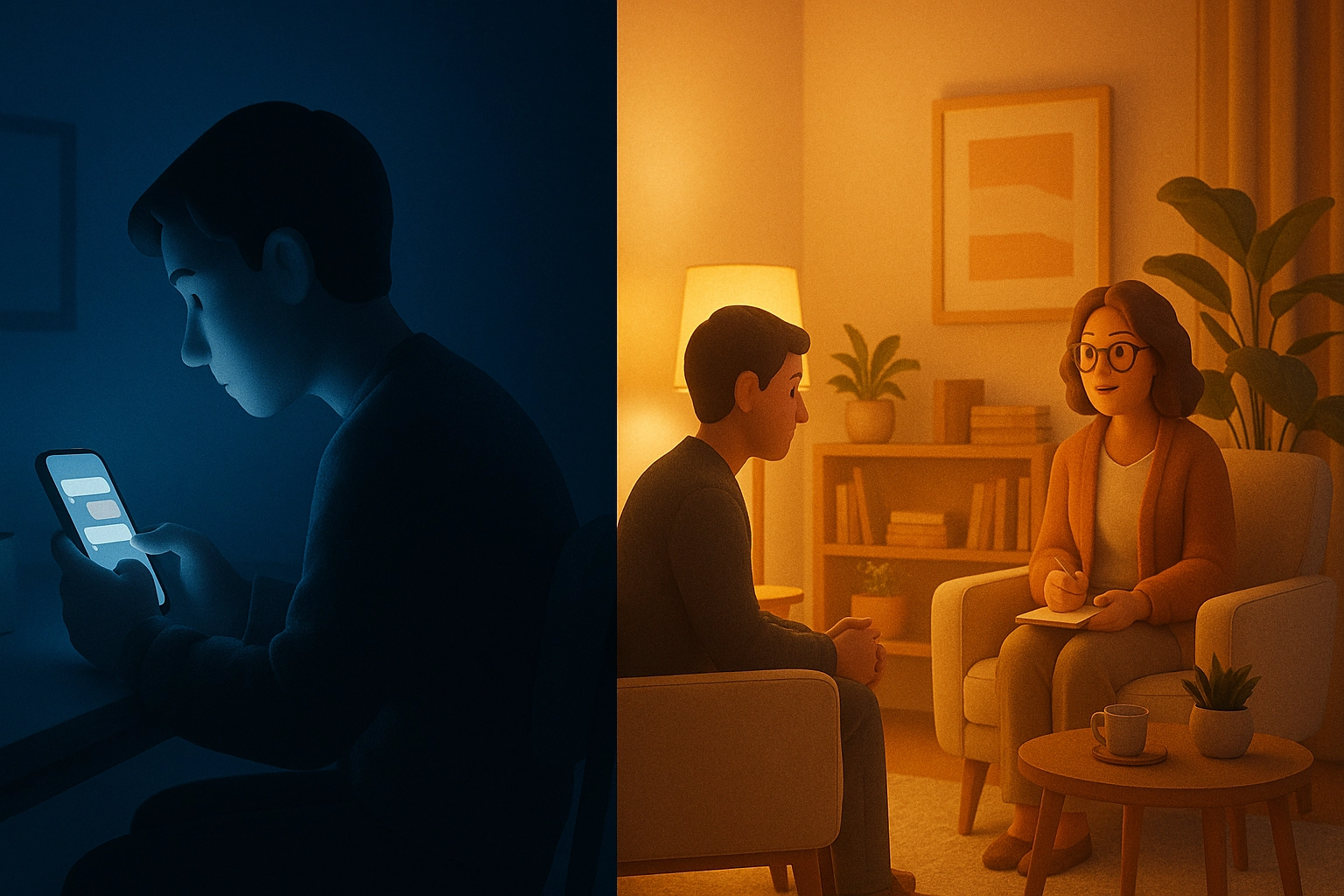
However, here’s where things get interesting: and concerning. While AI may help manage immediate symptoms, research consistently shows no significant improvement in overall psychological well-being. Think of it this way: AI might help you feel better in the moment, like a digital band-aid, but it doesn’t address the deeper wounds that need genuine healing.
Why Your Brain Craves Human Connection
Your mind isn’t just a computer that needs debugging: it’s a complex, emotional, and deeply relational part of who you are. When you’re struggling with anxiety, depression, trauma, or life transitions, you’re not just dealing with symptoms. You’re navigating the intricate web of your experiences, relationships, and identity.
The Power of Being Truly Seen
Human therapists possess something no algorithm can replicate: the ability to read between the lines. They notice when your voice changes, when you shift in your chair, or when there’s something you’re not saying. These subtle cues: your body language, tone, hesitations: are crucial pieces of your story that only another human can truly understand and respond to.
Beyond Quick Fixes to Real Understanding
While AI therapy often focuses on breathing exercises and immediate symptom relief, human therapy digs deeper. A skilled therapist helps you explore the root causes of your distress, understand patterns in your life, and discover new ways of being in the world. This isn’t just about feeling better temporarily: it’s about lasting transformation and growth.

The Safety Factor: When AI Falls Short
Recent Stanford University research has raised serious concerns about AI therapy’s ability to handle crisis situations safely. When you’re in emotional distress, you need someone who can:
- Recognize genuine crisis situations and respond appropriately
- Provide ethical guidance based on professional standards
- Make complex moral decisions that go beyond algorithmic responses
- Offer genuine empathy rooted in human understanding and care
Licensed therapists operate under strict ethical guidelines designed to protect you. They’re trained to navigate complex situations, maintain appropriate boundaries, and provide crisis intervention when needed. An AI chatbot, no matter how sophisticated, simply cannot make the nuanced judgments that mental health emergencies often require.
The Therapeutic Relationship: Where Healing Actually Happens
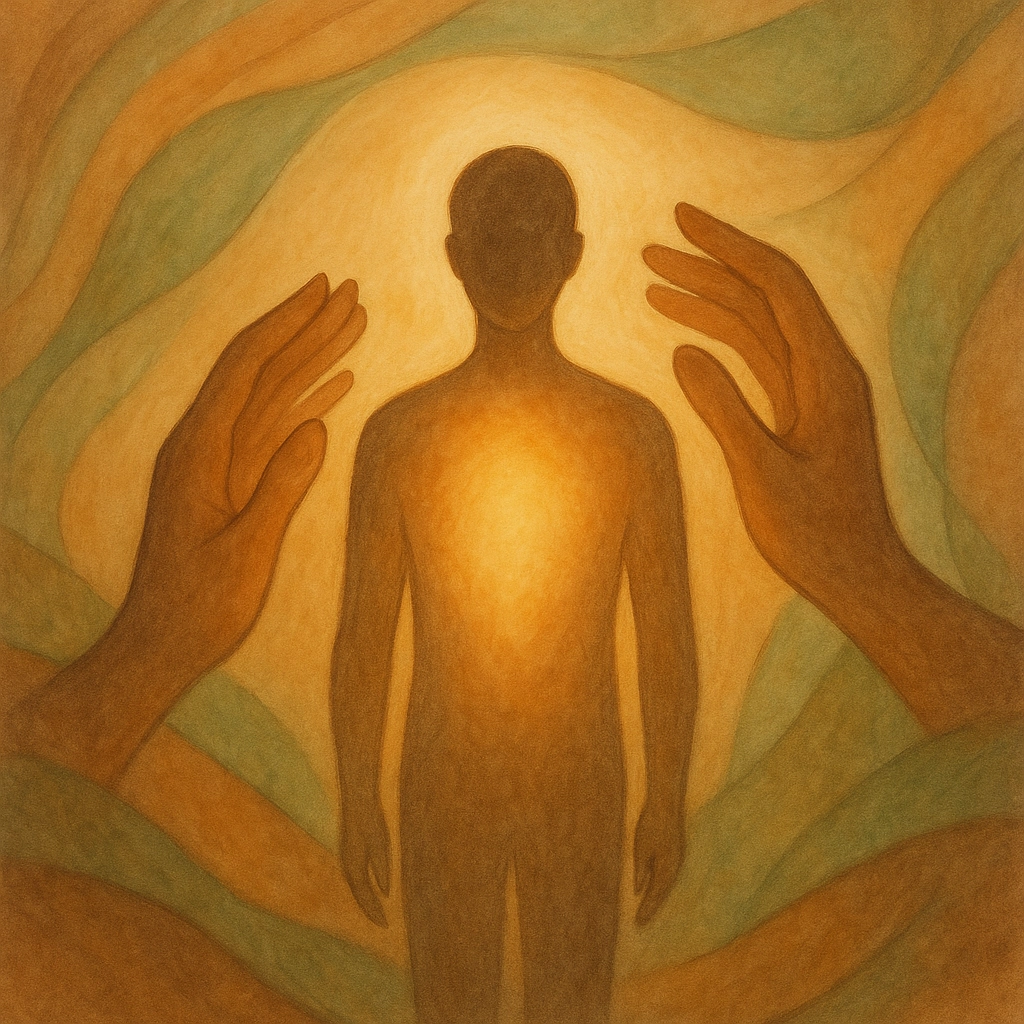
Here’s something that might shift your perspective entirely: the effectiveness of therapy largely depends on the relationship itself. It’s not just about techniques or interventions: it’s about the profound experience of being truly understood by another human being.
What Makes Human Connection Irreplaceable:
- Authentic warmth and understanding that emerges from genuine human interaction
- Adaptive responses that adjust in real-time based on your unique needs
- Shared meaning-making that helps you find purpose and direction in your struggles
- Emotional attunement that validates your experience and fosters healing
Research comparing chatbot responses to human therapist responses reveals telling differences. While chatbots might use affirming language, they provide less elaboration, self-disclosure, and genuine engagement than human therapists. This matters because healing happens not just through information exchange, but through the experience of being with someone who truly sees and believes in your capacity for growth.
When Human Touch Matters Most
AI therapy tools are particularly limited when it comes to moderate to severe mental health challenges. If you’re dealing with complex trauma, severe depression, anxiety disorders, or other significant mental health concerns, you deserve more than algorithmic responses.
Consider these scenarios where human expertise becomes essential:
Complex Trauma Recovery
Healing from trauma requires careful navigation of triggers, memories, and emotional responses. A human therapist can adjust their approach moment by moment, providing the safety and attunement necessary for trauma recovery.
Relationship Issues
Whether you’re working through couples therapy or individual relationship concerns, the nuances of human connection require human understanding to navigate effectively.
Life Transitions and Identity Exploration
Major life changes, career decisions, and questions of identity and meaning benefit from the wisdom and perspective that only comes from human experience and professional training.
The Good News: You Have Options
If you’re considering therapy, you’re already taking a significant step toward better mental health. The choice between AI tools and human therapists doesn’t have to be all-or-nothing. Here’s how to think about your options:
AI Tools Might Help With:
- Basic mood tracking and awareness
- Immediate coping strategies between therapy sessions
- Accessibility when human support isn’t immediately available
- Supplementary support alongside human therapy
Human Therapists Excel At:
- Deep, lasting healing and personal growth
- Complex mental health challenges
- Crisis intervention and safety
- Relationship and trauma work
- Identity exploration and meaning-making

Finding the Right Human Support
If you’re ready to experience the transformative power of human-centered therapy, here are some ways to get started:
Consider Your Specific Needs
Are you dealing with anxiety, depression, or specific challenges like panic disorder? Different therapists specialize in different areas, and finding the right match can make all the difference.
Explore Different Therapeutic Approaches
From cognitive behavioral therapy (CBT) to psychotherapy, different approaches work better for different people and situations.
Don’t Wait for Crisis
You don’t need to be in crisis to benefit from therapy. Many people find that working with a therapist during relatively stable times helps them build resilience and coping skills for future challenges.
Your Mental Health Deserves the Human Touch
While technology continues to evolve and AI tools may find their place as supplementary resources, the heart of mental health healing remains deeply human. Your struggles, your growth, and your healing journey deserve the irreplaceable elements that only human therapists can provide: genuine empathy, professional expertise, ethical responsibility, and the transformative power of authentic human connection.
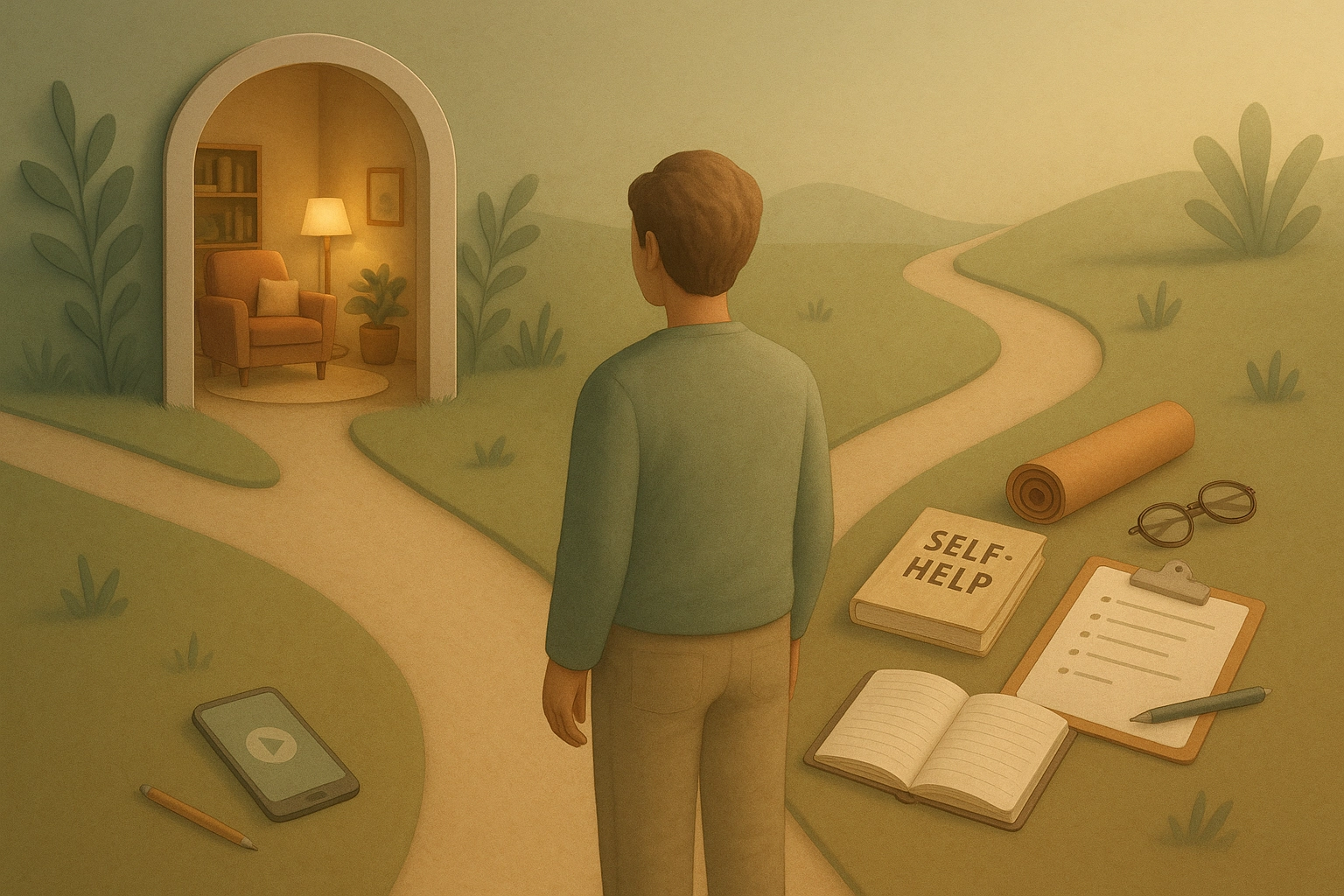
The choice you make about your mental health care today can impact your well-being for years to come. While AI might offer convenience, human therapists offer something far more valuable: the potential for genuine healing, lasting change, and the profound experience of being truly understood.
Remember, seeking help is a sign of strength, not weakness. Whether you’re dealing with specific mental health challenges or simply want to grow and thrive, there are qualified professionals ready to walk alongside you on your journey. Your mental health is worth the investment in authentic, human-centered care.
If you’re ready to take the next step, consider reaching out for support. Your future self will thank you for choosing the depth, safety, and genuine healing that only human connection can provide.