


If you’ve been wondering whether therapy apps are becoming obsolete, you might be surprised by the answer. Despite concerns about their limitations, mental health apps are actually experiencing unprecedented growth. But that doesn’t mean human connection has become irrelevant: far from it.
The real question isn’t whether therapy apps are dead, but how we can thoughtfully integrate digital tools with genuine human support to create the most effective path toward healing and growth.
The Surprising Truth: Therapy Apps Are Thriving
Therapy apps aren’t just surviving: they’re absolutely flourishing. The global mental health app market reached between $7.48 and $8.03 billion in 2025, with growth rates of 14-17% annually. Industry experts predict this market will nearly double to $15.95-17.52 billion by the early 2030s.
These aren’t just impressive numbers on a spreadsheet. They represent millions of people actively seeking mental health support and finding value in digital solutions. Consider these adoption statistics:
- 46% of adults aged 18-34 have used mental health apps at least once
- 60% of college students regularly use these apps for wellness management
- 83% of therapists in the United States now recommend mental health apps to their clients
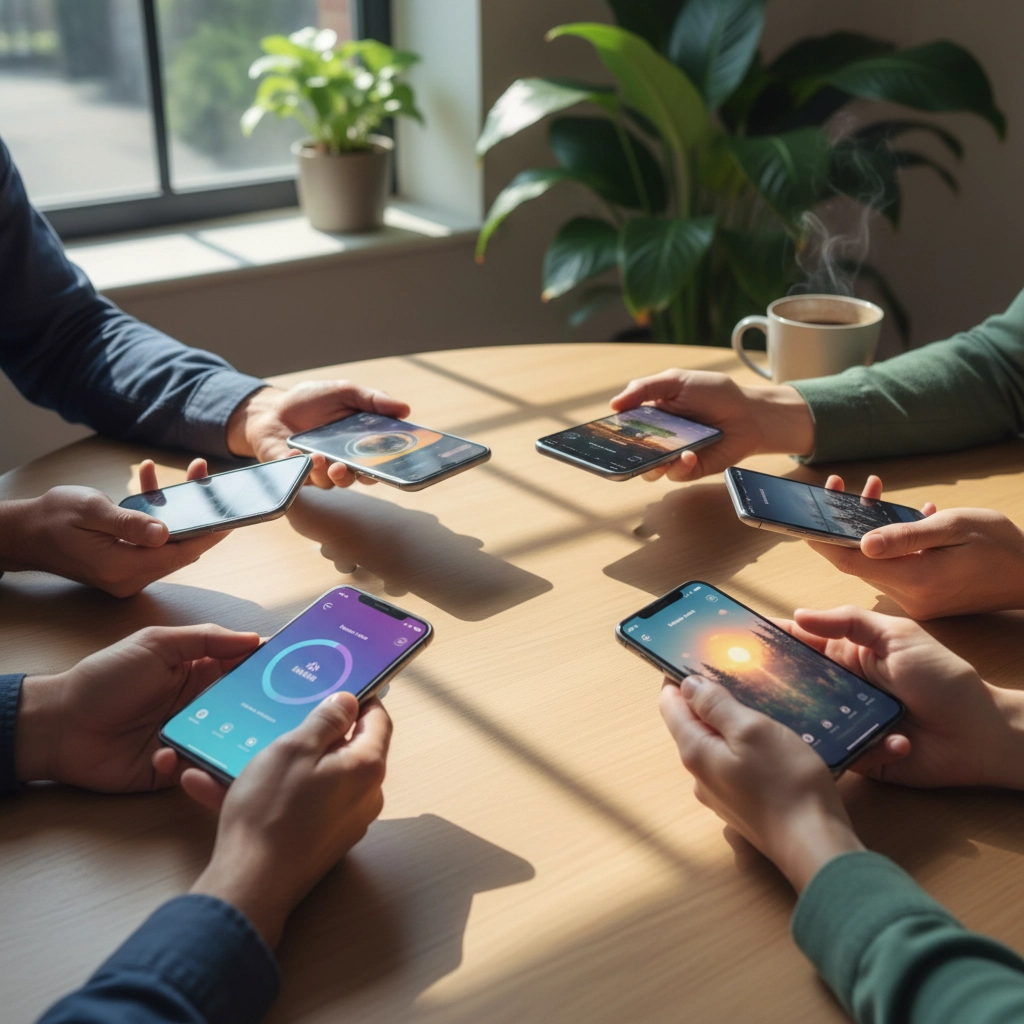
Popular platforms like Calm and Headspace have achieved remarkable reach, with Calm alone being downloaded over 100 million times worldwide. This widespread adoption reflects a fundamental shift in how we approach mental wellness: with decreasing stigma and increasing acceptance of diverse therapeutic tools.
What Mental Health Apps Do Really Well
Before we dive into their limitations, it’s important to acknowledge where therapy apps excel. These digital tools offer several compelling advantages that make them valuable for many people:
Accessibility and Convenience
You can access support anytime, anywhere. Whether you’re dealing with 3 AM anxiety or need a quick mindfulness break during your lunch hour, these apps are available when traditional therapy sessions aren’t.
Affordability
Many apps cost less than a single therapy session, making mental health support more financially accessible to people who might otherwise go without help.
Privacy and Anonymity
For those struggling with stigma or social anxiety, apps provide a safe space to explore mental health concepts without fear of judgment.
Skill Building and Daily Maintenance
Apps excel at teaching practical techniques like breathing exercises, mindfulness practices, and cognitive behavioral therapy (CBT) tools that you can use consistently.
Crisis Support
Many apps offer immediate resources during mental health emergencies, providing coping strategies when you need them most.
The Irreplaceable Power of Human Connection
While apps offer significant benefits, they face fundamental limitations when it comes to the deeper aspects of therapeutic healing. The therapeutic relationship is built on shared humanity, attunement, and genuine care: elements that artificial intelligence simply cannot replicate.

The Magic of Being Truly Seen
When you sit with a therapist, you’re witnessed by someone with their own heartbeat, someone who notices the subtle tremor in your voice before you share something painful, or the way you hesitate when discussing certain topics. This level of attunement creates safety and validation that goes beyond programmed responses.
Co-Regulation: Two Nervous Systems Working Together
One of the most powerful aspects of human therapy is co-regulation: the process where your nervous system learns to calm itself through connection with your therapist’s regulated presence. When a skilled therapist notices you becoming overwhelmed and responds by softening their voice, slowing their pace, or taking an intentional deep breath, they’re helping your nervous system find balance through these micro-adjustments.
Genuine Emotional Investment
A human therapist genuinely cares about your progress. They hold you in mind between sessions, feel genuine concern when you’re struggling, and experience authentic joy when you achieve breakthroughs. This emotional investment creates a corrective experience that can heal old wounds around feeling unseen or unimportant.
The Courage to Challenge and Support
Human therapists can lovingly challenge your patterns while providing emotional safety. They can sense when you’re ready to explore difficult territory and when you need more gentle support. This nuanced responsiveness requires human intuition and care.
Finding the Right Balance for Your Mental Health Journey
The good news is that you don’t have to choose between technology and human connection. The most effective approach often involves using both strategically.
Apps as Your Daily Mental Health Toolkit
Think of mental health apps as your everyday wellness tools. Use them for:
- Morning mindfulness routines
- Quick stress relief techniques during busy days
- Sleep support and relaxation
- Tracking mood patterns
- Practicing skills learned in therapy
Human Therapy for Deeper Work
Reserve human connection for:
- Processing trauma and significant life events
- Working through complex relationship patterns
- Developing insight into unconscious behaviors
- Receiving personalized treatment for specific mental health conditions
- Building the capacity for deeper relationships

Practical Steps to Integrate Both Approaches
If you’re considering how to best support your mental health, here are some actionable strategies:
Start Where You Feel Comfortable
If traditional therapy feels overwhelming, beginning with a mental health app can be a gentle first step. You might discover helpful techniques and build confidence before transitioning to human support.
Use Apps to Enhance Therapy
If you’re already in therapy, discuss with your therapist which apps might complement your work together. Many therapists can recommend specific tools that align with your treatment goals.
Be Honest About Your Needs
Consider these questions:
- Are you looking for daily stress management tools?
- Do you need help processing specific traumatic experiences?
- Are you dealing with complex relationship patterns?
- Would you benefit from immediate crisis support?
Your answers can guide whether an app, human therapy, or both would serve you best.
Monitor Your Progress
Pay attention to how different approaches affect your wellbeing. If an app isn’t providing the depth of support you need, that’s valuable information pointing you toward human connection.
When Human Connection Becomes Essential
While apps can provide valuable support, certain situations particularly benefit from human therapeutic relationships:
- Trauma Recovery: Processing traumatic experiences often requires the safety and attunement that only human connection can provide
- Relationship Difficulties: Learning new ways of relating benefits from practicing with a real person who can provide feedback and repair
- Complex Mental Health Conditions: Conditions like bipolar disorder, severe depression, or eating disorders typically require personalized human assessment and treatment
- Suicidal Thoughts: While some apps offer crisis resources, active suicidal ideation requires immediate human intervention
The Future of Mental Health Support
As we move forward, the most promising approaches combine the accessibility of technology with the irreplaceable value of human connection. Rather than viewing apps and human therapy as competing options, we can see them as complementary tools in a comprehensive mental health toolkit.
The sustained growth in mental health apps suggests they’re finding their place as valuable adjuncts to traditional therapy, not replacements. People are using these tools as part of broader wellness routines, integrating them with other forms of support and self-care.
Taking Your Next Step Forward
Your mental health journey is uniquely yours, and the right combination of support will depend on your specific needs, circumstances, and goals. The encouraging news is that you have more options than ever before.
If you’ve been hesitant to seek help, remember that starting somewhere: whether with an app or a human therapist: is more important than finding the “perfect” solution immediately. Mental health apps can provide an accessible entry point, while human therapy offers irreplaceable depth and connection.
At Brighter Life Therapy, we understand that healing happens through genuine human connection, combined with practical tools and techniques you can use in daily life. Our team is here to help you navigate both the benefits and limitations of different approaches, creating a personalized path toward the brighter life you deserve.
If you’re ready to explore how human therapeutic support might enhance your mental health journey, we invite you to reach out. Whether you’re new to therapy or looking to deepen existing work, taking that next step toward connection and healing is always worth it.
Your mental health matters, and you deserve support that truly sees and values who you are. The combination of accessible tools and genuine human care can create powerful possibilities for growth, healing, and lasting positive change.